
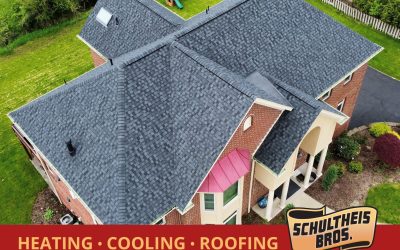
Why Is It Important to Be in the Know about a New Roof?

Why Is It Important to Be in the Know about a New Roof?

Roof replacement merits importance since a new roof helps fortify your home’s structural integrity, so its fit and form must be consistent with the metrics of your roof’s slope, design, and so forth. However, that’s the condensed version. There are also materials, pricing, warranties, etc.

In other words, you need to be in the know about a roof replacement.

That said, let’s get to some of the FAQs about a new roof.

When do I need a new roof?

Roof replacement is a huge investment and not one you should put off. Failing to replace your roof when the time has come can result in thousands of dollars in home repairs as a result of structural damage.

Here are a few signs to look for to recognize that it’s time for a new roof:

  • There are wet spots on your ceiling, in the attic, or in crawl spaces.
  • The chimney’s masonry has begun to disintegrate.
  • Shingles are curled, buckling, broken or even missing.
  • Shingles are blistering.
  • Shingles are badly aging and missing granules.
  • There are signs of roof rot, for example, a spongy feeling when you walk on it.
  • There is water backup in the eaves.

The bottom line: you really need to hire a professional roofer to inspect your roof thoroughly for signs that it’s time to replace it. Even if you don’t see any signs of damage, a roof that’s too old is most likely prone to breakdowns. The roofing experts at Schultheis Brothers will provide honest, straightforward advice about when it’s time to replace your roof.

Can I get my roof repaired rather than a new installation?

This will totally depend on the current condition of your roof. The roofing professionals at Schultheis Brothers will inspect your roof to determine if the problem can be solved by repair.

If repair is not a viable solution, you need to get a new roof. Trust us, you’ll want to invest in a high-quality new roof for your house.

What steps are involved in a roof replacement?

Know the process and be prepared for when it’s time for a new roof:

  • Your present roof will be inspected. If you need a new roof, your old roofing material will be removed and disposed of.
  • If any repairs are required under your old roofing, they will be performed.
  • Your new roofing system will be installed with precision.
  • Your yard will be cleaned so there are no nails or debris that could result in an accident or injury.
  • Your new roof will have its “final inspection,” making sure it was installed properly.

How much does a new roof cost?

Every roof is different, so every roof costs a different amount. When considering the price of a new roof, roofing contractors will take a number of aspects into consideration: size, old roof removal, style, shape, materials, and other elements such as chimneys, skylights, and vents that need to be worked around.

Again, a roof replacement is a big investment, and giving a quote without inspecting each unique situation would not be in a customer’s best interest. However, once a price is determined, there are plenty of ways to finance a new roof, making paying for it stress-free and affordable.

How do I choose the right contractor?

Once it’s been decided that you need a new roof, the next crucial decision you need to make is your choice of a contractor. You need to find a trusted roofing company to keep away from any scams and to get the most out of your money. As mentioned, a new roof isn’t a small investment – and the right contractor can provide an enjoyable, worthwhile experience and a roof that will last for years without concerns.

You might want to ask around. Ask family and friends for suggestions or post the question on social media. Word of mouth is one of the more dependable ways to judge the integrity of a roofing contractor. After all, you’re talking to people who have already worked with the company. Also, look at the roofers’ reviews and testimonials from prior customers.

You should also investigate the company itself. Search for positive ratings with the Better Business Bureau and proper licensing and insurance. A contractor without these accreditations or one that simply won’t show you their licensing is most likely a scam artist, or at least not the best quality contractor out there.

After natural disasters or large damaging storms, fly-by-night roofers come out of the woodwork. These roofers will show up at your door with a van and promise you the world. Don’t fall for these tricks. It’s always best to choose an established, local roofing contractor to perform the work. This will ensure who to turn to if you encounter problems.

We invite you to contact the experts at Schultheis Brothers to provide you with all the essential information and certifications.

How long will it take to get my new roof installed?

When you meet with your contractor before timetabling your roof replacement, request a timeline for the project. The weather, your choice of roofing material, the size of the roofing crew, the architectural features of your home, how easy it is to access your roof, and your home’s size all factor into an installation timeline.

In general, however, most roof replacements should take about a day or two.

Do I need to do anything to prepare for a new roof installation?

If roof replacement is in order, there are a couple of steps you should take for a smoother process. First, remove loose items from your walls or shelves. Hammering on your roof can occasionally produce sufficient vibration to cause unsecured items to fall.

Clear your driveway and adjacent areas as much as possible as there’s a chance that roofing materials could also fall. Your contractor will also welcome the extra space for work vehicles and equipment.

Schultheis Brothers completes most roofing jobs quickly with minimal interruption to your life. They will also take care of the cleanup – you only need to sit back and enjoy your new roof.

Can I put a new roof on an old roof?

Many people ask if they can save money by having their new roof installed over their old one. As a homeowner, it’s reasonable to want to save money where you can, particularly if your replacement isn’t covered by any insurance.

Yes, a common practice to keep costs down is to reroof over your existing roof rather than tearing off the old one. However, if you already have several layers on your roof, you’ll have to remove them. Putting down a third layer of shingles isn’t advisable because this will increase the weight on your roof, placing added stress on the underlying support. Moreover, it’s against building codes in some areas to add that third layer.

It’s also hard for a roofing crew to get a complete picture of all the problems a roof is having without looking at the roof deck, which is another reason most contractors recommend removing the present roofing materials.

Can I replace my roof myself?

While some home projects can be “DIYs” and turn out just great, roofing is definitely not one of them. Each year, more than 6,000 Americans die from falls in the home, many of which are the result of tumbles off roofs and ladders while performing repairs or routine maintenance, making it one of the most dangerous DIY projects you can ever attempt. Moreover, you might be breaching your roof’s current warranty or doing the work incorrectly, resulting in costly repairs and replacements down the road.

Not to mention, a one-man roof replacement job contrasted with an experienced team of professional roofers assures a much higher threat of mismatched shingles, holes, and other concerns with the aesthetics and quality of your roof.

How long will my new roof last?

A newly installed roof has a lengthy lifespan given the proper attention and maintenance. However, even the best quality roofing systems have an expiration date. Typically, 20 years is an acceptable lifespan for a new roof.

Your roof’s longevity, in no small part, will be determined by the composition of the chosen roofing material. Add to this a number of confounding variables such as weather and the foundational strength of your home that can also affect your roof’s lifespan. Keep in mind that while good, durable materials may demand a higher upfront cost, they pay for themselves in the long run.

What is the best time to replace a roof?

While there is no formal “roofing season” and roofers work all year round, summer, and fall are typically busier periods for many roofing contractors. Circumstances such as snow, rain, and ice can affect how quickly roofers can safely and efficiently get a roof replacement job done, which is why dryer, warmer months are when most people opt to get their roofs replaced.

However, replacing your roof in the winter or early spring could result in a quicker installation due to more availability and less demand.

What are the options and choices for a new roof installation?

Roofs come in all shapes and sizes with roofing materials that are multicolored and multipurpose. It’s your roof, you own it, you decide what it looks like.

Consult with a professional at Schultheis Brothers before making a final decision.

I’m considering selling my home. Should I get a new roof if needed?

According to Better Homes and Gardens, a monstrous 40 percent of a home’s curb appeal is due to the condition and aesthetic of the roof. When selling your home, if your roof is in bad shape or in need of major repairs or replacement, you’ll most likely have a lot of trouble getting people to bid on it. Moreover, home buyers may not be able to obtain a mortgage on a home with an expired roof, and the expense of putting on a roof might scare them away. A lot of buyers are on a budget and simply don’t want to spend money on major repairs after just purchasing a house.

If you know it’s going to be an issue but can’t afford to put the new roof on without first selling the home, speak to your agent about ways to negotiate the price of the roof into the sale of the home.

What is the best thing I can do to ensure my new roof lasts as long as possible?

Regular visual self-inspections and annual professional roof inspections are vital to a homeowner. As we’ve seen, a small problem can become a major issue if not dealt with right away. Such regular inspections allow you to perform minor repairs before they become bigger projects, such as a small leak becoming a major leak or a mold problem.

What’s the verdict?

As we’ve seen, roof replacement is a home improvement project that presents a variety of questions to be answered, and as a consequence, it can be a challenge to wrap your brain around it. Hopefully, this list of FAQs can help in your quest for answers to your uppermost roof concerns.

As long as you follow these tips, you should know the gist of roof replacement and what to expect. Like most anything new, be it for your house, car, or whatever, always read up.

If you have any further questions, never hesitate in asking a pro at Schultheis Brothers to guide you. Err on the side of caution, 100 percent!

Do You Know When to Repair, Patch or Replace Your Roof?

Among the most essential workings of a home is its roofing system. Everything you treasure within your home, from your family to your belongings, is under the roof. Regrettably, roofs simply don’t last indefinitely. So if yours is approaching 20 years of age, it’s time to consider an inspection by a professional roofing contractor such as one of the Pittsburgh region’s top-notch roofing experts, Schultheis Brothers.

Such an assessment will reveal your damage, where the damage has occurred, and how serious it is. For example, the roof might require minimal repairs, or if it’s a bit older and has experienced a lot of tough weather, it might need more widespread repairs or a full replacement. Several factors go into deciding the best strategy.

Most contractors will carefully examine the shingles, the initial layer of protection. They’ll search for a substantial loss of granules that will erode over time. They’ll look for dents, holes, cracks, and lost shingles. It’s important not to decide on repair work when a contractor recommends a replacement. It may also result in damage to the home’s interior.

Look out for these general warning signs.

Be sure to heed these warning signs, as they will help you decide whether to repair, patch, or replace your roof.

  • Curling, broken or missing shingles
  • Shingle discoloration
  • Mildew, moss, and/or algae sprouting on the roof
  • Wood rot in your attic
  • Shingle granules lodged in your gutters
  • Obvious sunlight in the attic
  • Indoor leaks
  • Sagging roof

Note: A sagging roof is the one thing you should be concerned about most, as this points to a structural issue.

Roof age can be a crucial factor, too. We’ll discuss this below.

Overlooking a few of these issues can take you from a condition requiring only a simple repair to a situation where you need a roof replacement. The quicker you can get a contractor to your home for an assessment, the better your money-wise and your family’s well-being will be. This is particularly the case after big storms, which can damage older roofs considerably.

Roof Repairs vs. Roof Replacement Concerns

Budget-conscious homeowners investigating roofing concerns cross their fingers that they will require a modest repair instead of a total roof replacement. Arriving at that decision takes into account various factors. If your roof is relatively new and it recently took a pasting from a hailstorm, there’s a reasonable probability that the shingles require a few easy fixes. Older roofs suffering the same beating could be another story, somewhere between widespread repairs and total replacement.

Never presume you know what your roof requires; it takes a professional’s eye and years of know-how to recognize if repairs or replacements are appropriate. Contact your trusted roofing specialists at Schultheis Brothers, arrange an inspection, and let them assist in your planning the next steps.

To Repair or To Replace?

Here are the chief reasons to consider in deciding whether to repair or replace.

Age of the roof

The roof’s age is an enormous factor in determining whether to repair or replace your roof. Roofs have a limited life span, with most roofing experts agreeing that 20 years is when a roof will need repairs or replacement.

Roof leaks

Just because you leak doesn’t necessarily mean you’re inevitably in for a full roof replacement. Sometimes, it’s an isolated leak in a particular flashing area, which can be easily resolved. However, if you have several leaks all over the roof, it’s to be expected that there are more substantial problems that will require a total replacement.

Extent of roof damage

The affected area of your roof can also help you decide whether it’s better to repair or replace your roof. If the damage is isolated or restricted to a relatively modest area, a roofing contractor may be able to repair it. For instance, if you detect a leak over your bedroom, there’s a possibility you have a small hole in the roof atop that area.

Any kind of damage limited to a tiny space can normally be repaired, so investing in a new roof is not required. However, if the damage impacts more than 30 percent of your roof, it’s best to replace than repair.

Geographical area

The Pittsburgh area is exposed to days with heavy winds over the course of a year. Hail can also be a chunk of the mix from time to time. Both of these weather episodes can damage a roof.

While our region doesn’t normally undergo punishing winds such as with hurricanes, the variation from frosty months of winter weather to muggy and swelting summer temperatures will also place strain on a roof.

Long-term plans

How long do you intend to remain in your home?

If you’re considering selling in a few years, a new roof can be a selling feature for would-be home buyers. You don’t have to spring for the costliest roof. However, an old roof might classify your home as a “fixer-upper.”

If you’re planning to remain in your home for a lengthy period, you might rationalize the cost of updating your roof since your cost will be extended over the life of your home.

You’re on a tight budget.

There’s nothing like an issue with the roof to send someone on a tight budget into a fretful spiral. Before stressing out, remember that just because you’ve detected a problem doesn’t necessarily mean you have to get the total roof replaced.

Repairs can save you quite a bit, and you might be amazed how many times a leak turns out to be an easy repair. Keep in mind, however, that year after year of repairs can add up to substantial costs, and there are also structural issues to think through with a roof with numerous repairs. In some situations, a tight budget notwithstanding, replacement is the only option.

Moreover, should your aging roof require a total replacement, many contractors provide financing, which can help someone on a tight budget get what they need immediately and pay for it in monthly installments.

Trust Schultheis Brothers to help with your decision.

Okay, if the roof is clearly in bad shape, even to the untrained eye, the only decision is usually to replace it. But as is often the case, that decision isn’t so black and white every time, and, as we’ve seen, several factors go into figuring out whether you should repair or replace your present roof.

That said, your best option is to partner with a reliable roofing contractor such as Schultheis Brothers, who will pay attention to your concerns and help you establish a course of action to meet your needs.

When is roof replacement the only option?

As much as you’d like to resolve your roof concerns, every so often, the only option is a complete replacement. These are some of the most everyday reasons homeowners have replaced their roofs.

Widespread damage has taken place.

Widespread damage can occur due to various things. In many instances, a storm has moved through the region, and debris has been tossed about, affecting your aging roof, which no longer possesses the impact resistance to nip damage in the bud. Roofing contractors that examine a roof and discover that more than 30 percent of the surface has been damaged will advise replacement.

Significant hail and wind damage have occurred.

Most re-roofing projects occur after a hailstorm or a storm that lacks hail but has excessive winds that rip off shingles or toss the debris into them, producing dents and other damage. Also, a substantial volume of snow can place stress on particular sections of a roof that can damage it to the stage where re-roofing is the only option.

Melting snow can also create ice dams that will also destroy a roof. Don’t let the absence of major damage mislead you – plenty could be going on under the shingles, so arranging for a roof inspection is the best strategy.

The roof is simply too old.

As mentioned above, for most roofs turning 20 is a huge milestone and for many, the last one. At this age, homeowners start to experience recurring issues, which says if the roof needs extensive repair, it makes financial sense to proceed with the replacement.

It is non-compliance with codes.

Sometimes, a neighborhood has aesthetic codes that must be adhered to. For example, your asphalt roof is not in accord with a code that states it must be of a different material. Or there have been updated structural codes established since your roof was put on, and your roof is no longer in agreement.

Added benefits of replacing your roof

Okay, you’ve decided to replace your present roof. But what are some of the added benefits?

Let’s face it, unless you’re really looking ahead to the appearance of a re-roofed home; you’re still not going to be thrilled to undertake a roofing project. Whether it’s the short-term disarray from the project, the cost, or both, homeowners certainly don’t look forward to the job. However, there are these added benefits to consider.

  • Offers a high return on investment. Who doesn’t want to look forward to a sizable ROI? There is a market for “fixer uppers” today; however, most homebuyers prefer a turnkey situation. Not wanting to buy low and spend a bunch of money on rehabbing the home, home buyers would rather come in and merely make interior design changes.
  • Enhances curb appeal. Not only will a re-roofed home provide added value in the financial sense, but a new roof also offers curb appeal, which is an important aesthetic triumph. In addition, the roof accounts for a decent amount of square footage of the homes’ exterior, so it simply makes sense that a new roof will mean the house will “pop” when matched to others with aging roofs faded with age and environmental exposure.
  • Superior energy efficiency. Shingle companies have developed innovative methods for producing shingles, offering more resilience and better energy efficiency. These two factors directly influence the comfort you’ll encounter inside the home, and the utility costs you pay.

    As an example, in the winter, your house won’t be as drafty, and there will be prolonged pauses between your furnace turning on since the heat isn’t escaping the home as effortlessly as it manages with an aging roof. The same is the case in the summer months with your air conditioning. Your home merely retains its temperature longer with a newer roof.

Are you in need of a Roof Repair or Replacement?

Is it time to invest in roof repair or replacement? Then call the experts at Schultheis Brothers today. Our dependable roofing professionals are ready to put their know-how and tools to work for your Pittsburgh area property.

Whether you need to replace a few damaged shingles or want to upgrade to a more durable and long-lasting roofing material, our specialists can help create a customized solution that fits your needs and budget.

If you reside in Pittsburgh or the surrounding region, contact our office to schedule a suitable appointment with one of our roofing technicians.